
How to play rummy: sets, sequences and turns
Learn the vocabulary before you compare formats or choose a practice app.
How to play rummy: start with the table rules
Learning how to play rummy begins with recognizing the groups in your hand. Rummy sets and sequences use different combinations of ranks and suits; the rummy rules for your chosen table determine which combinations make a valid declaration.
Published by RummyRepo · Content updated
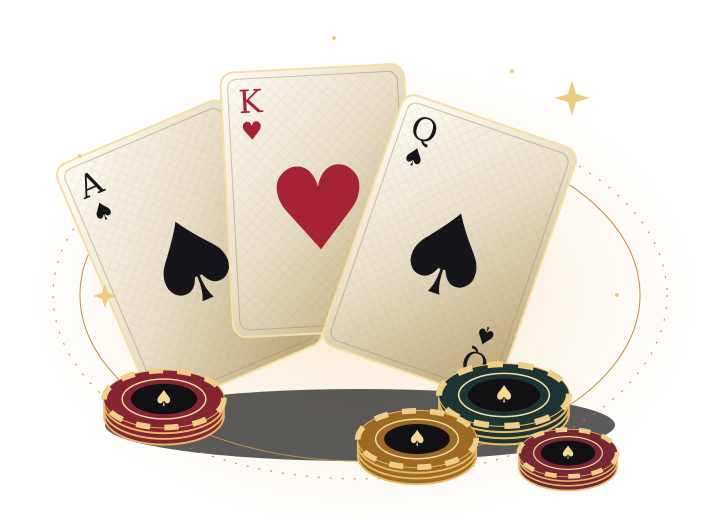
Rummy sets and sequences
A set groups three or four cards of the same rank in different suits. A sequence groups consecutive cards of one suit. Exact requirements depend on the rummy variant.
Rummy rules for a basic turn
In many variants, a turn involves drawing a card and discarding a card. Read the rules for the specific table: hand size, jokers and valid declarations can differ.
Choose a practice format
Use a free practice format to learn the rules. A familiar name does not establish an app’s publisher, package identity or availability in your location.
How to play rummy: recognize a valid group
For a sequence example, consider the 4, 5 and 6 of hearts: their ranks are consecutive and their suit matches. A set example is three queens in different suits. These examples explain the difference between the groups; the number of groups needed to declare depends on the table rules. Check those requirements before you practice.
Explore the directory ↗